
Table of Contents

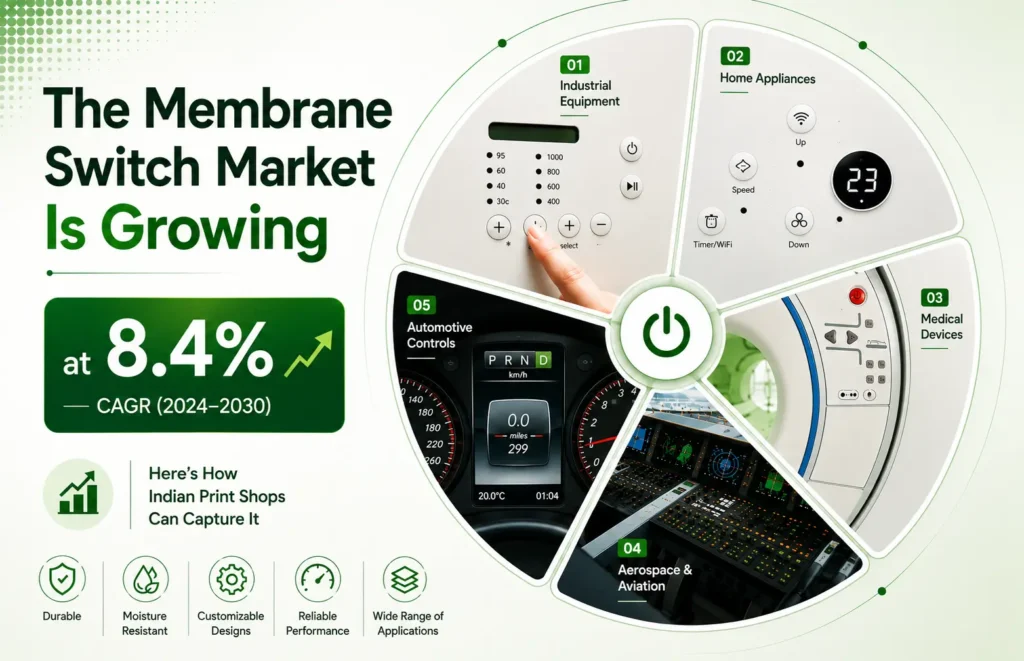
The Membrane Switch Market Is Growing at 8.4% — Here's How Indian Print Shops Can Capture It

Indian print shops with UV LED flatbed capability have the foundation to enter the membrane switch market — with the right ink system and process knowledge.

Most UV LED large format printers in Indian sign shops run at 60–70% capacity. The jobs filling that space are mostly generic — banners, vehicle wraps, display boards, retail signage. These are busy segments, but margins are tight and price competition is high.

There is a specialised print segment sitting right next to what you already do — and most shops have never tried it. Membrane switch printing uses the same substrate handling and UV ink skills a flatbed operator already has. If your UV LED flatbed runs flexible inks validated for PC and PET film, you may already have the starting point.

1. The Market Signal

WHAT IS A MEMBRANE SWITCH?

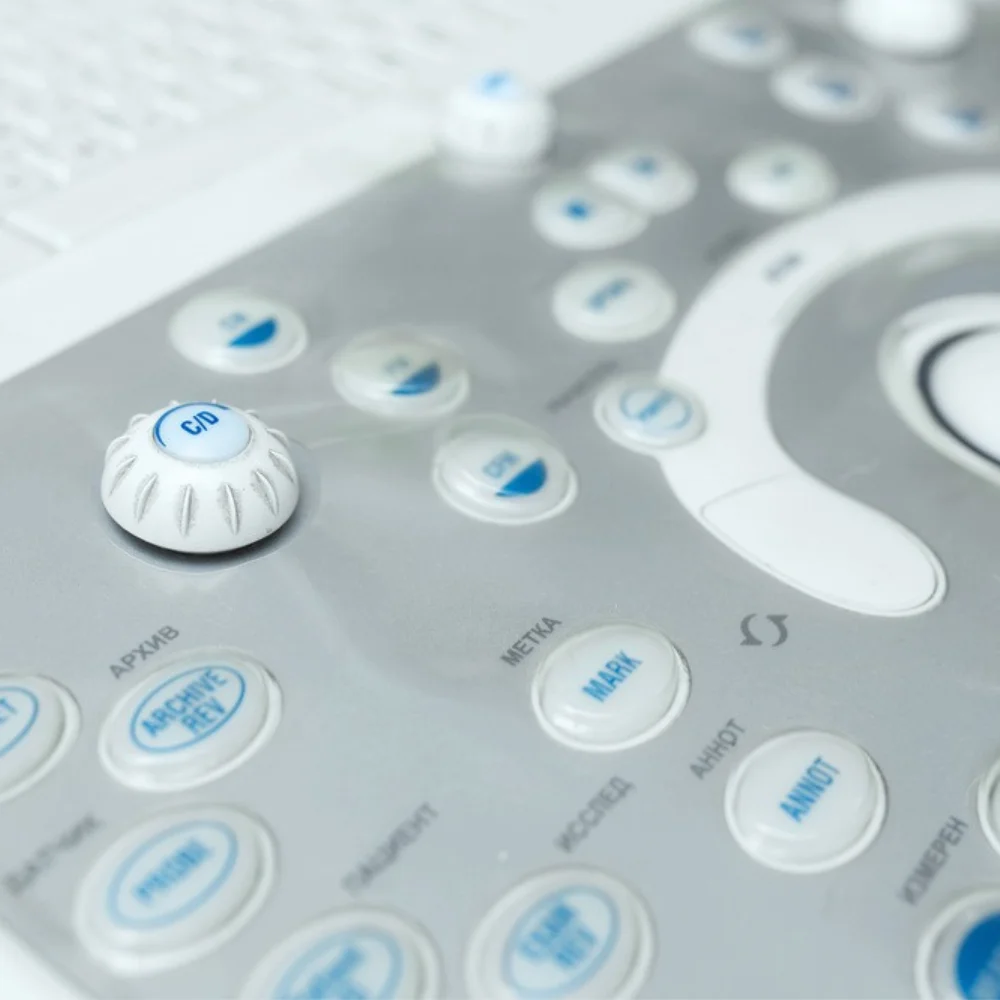
A membrane switch is a thin, flexible electrical switch made from layers of polycarbonate (PC) or polyester (PET) film. The top layer is a printed graphic overlay — the part you see and press. It shows icons, labels, and switch zones. When you press a zone, the circuit underneath closes and triggers a function.

The printed overlay is the part a PSP produces. How well it is printed — ink adhesion, colour accuracy, substrate compatibility — decides how good the finished switch looks and how long it lasts.

Now that you know what a membrane switch is, here is why the market matters. According to The Business Research Company, the global membrane switch market was worth about $8.69 billion in 2025. It is projected to reach $13 billion by 2030 — a compound annual growth rate of 8.4%.

That number covers the full category. Inside it, the PCB membrane switch sub-segment is growing even faster. ReportPrime projects that sub-segment at a 9% CAGR through 2033 — driven by demand for circuit-embedded panel interfaces in industrial and medical equipment. These are two different segments with different growth rates. It is worth keeping them separate.

Asia-Pacific is the leading production region in both reports. India is named directly as a covered market. This is not a story about Western demand. The growth is here — in this region, in industries that already operate in India.

What this means in practice: the clients who need membrane switch panels — medical device OEMs, industrial machinery manufacturers, appliance brands — are already here in India. Most of them are currently supplied by screen printers. That supply chain is not locked in.

2. Where the Demand Comes From

Market reports identify five application verticals that collectively account for the majority of membrane switch demand. For a PSP evaluating this as a revenue opportunity, it helps to map these verticals to the actual buyer categories you might approach:

Application Vertical

Who the PSP Supplies

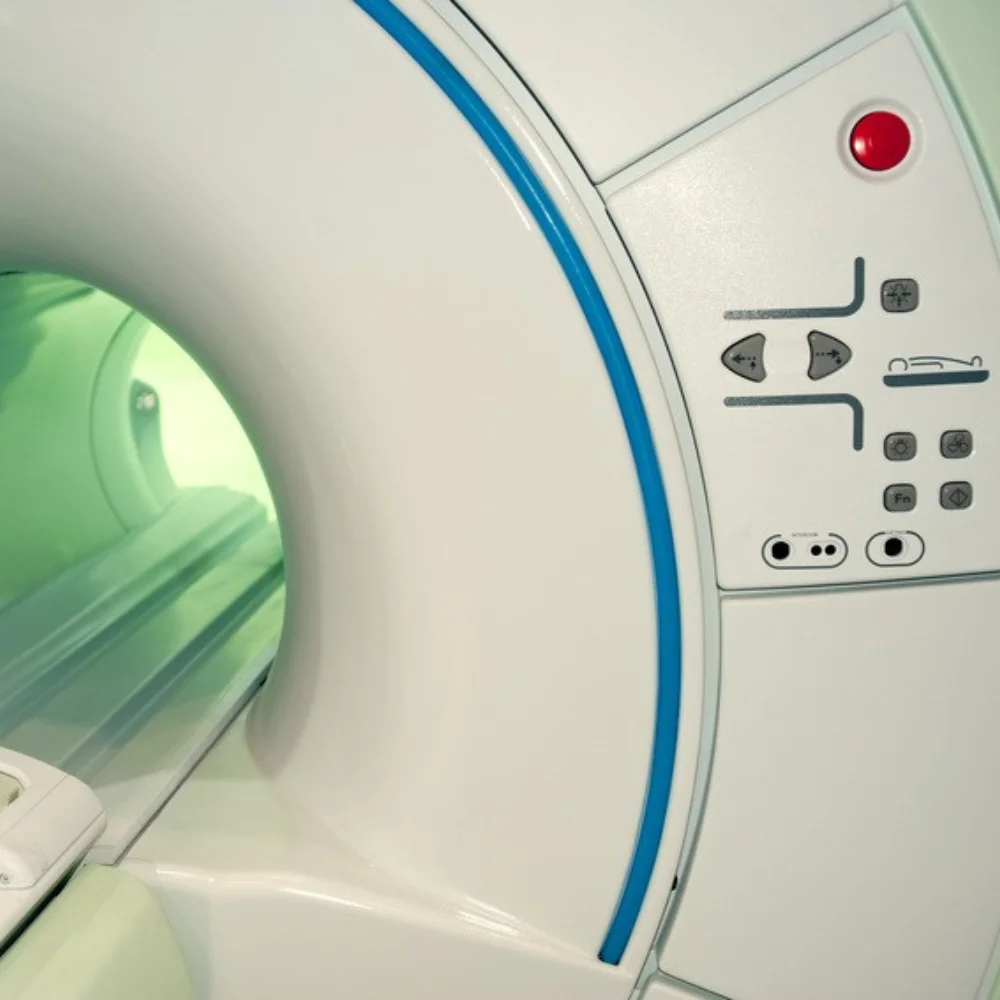
Medical equipment keypads

Hospitals, diagnostic device OEMs, patient monitoring manufacturers

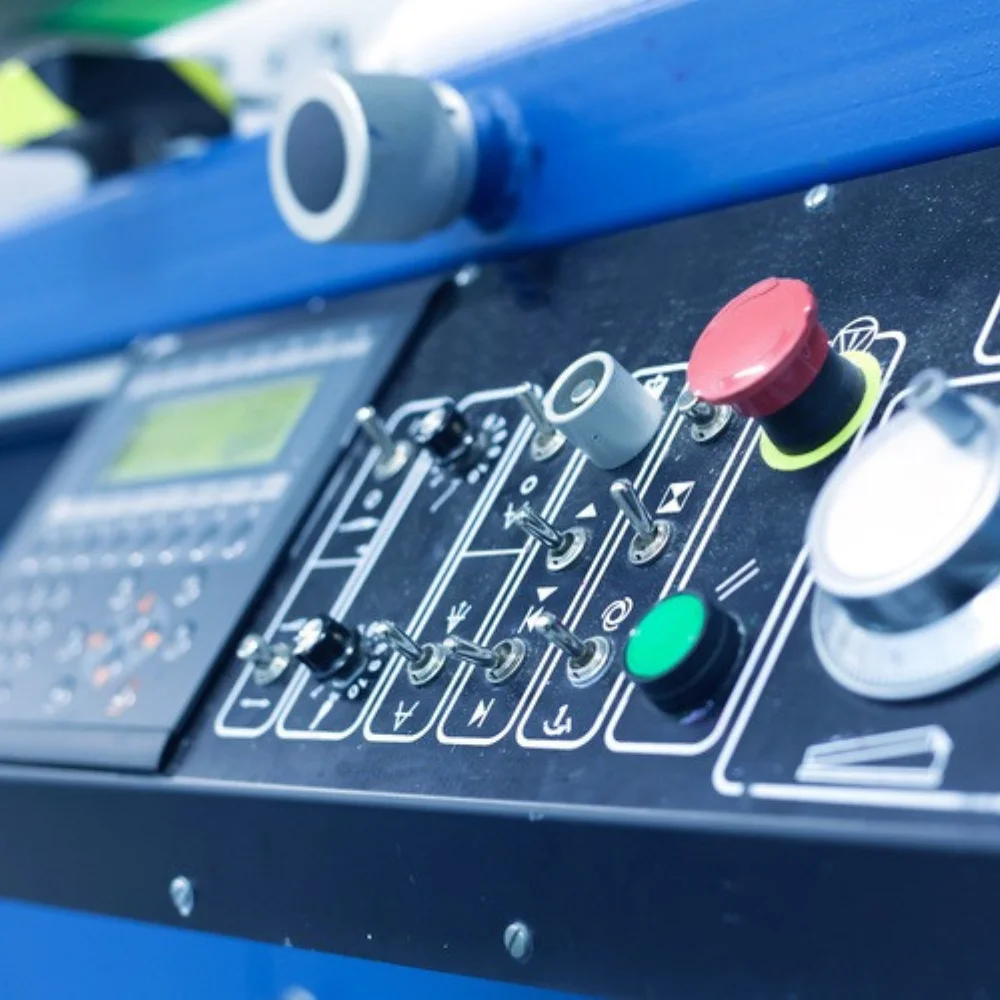
Industrial control panels

Manufacturing automation suppliers, machinery interface producers

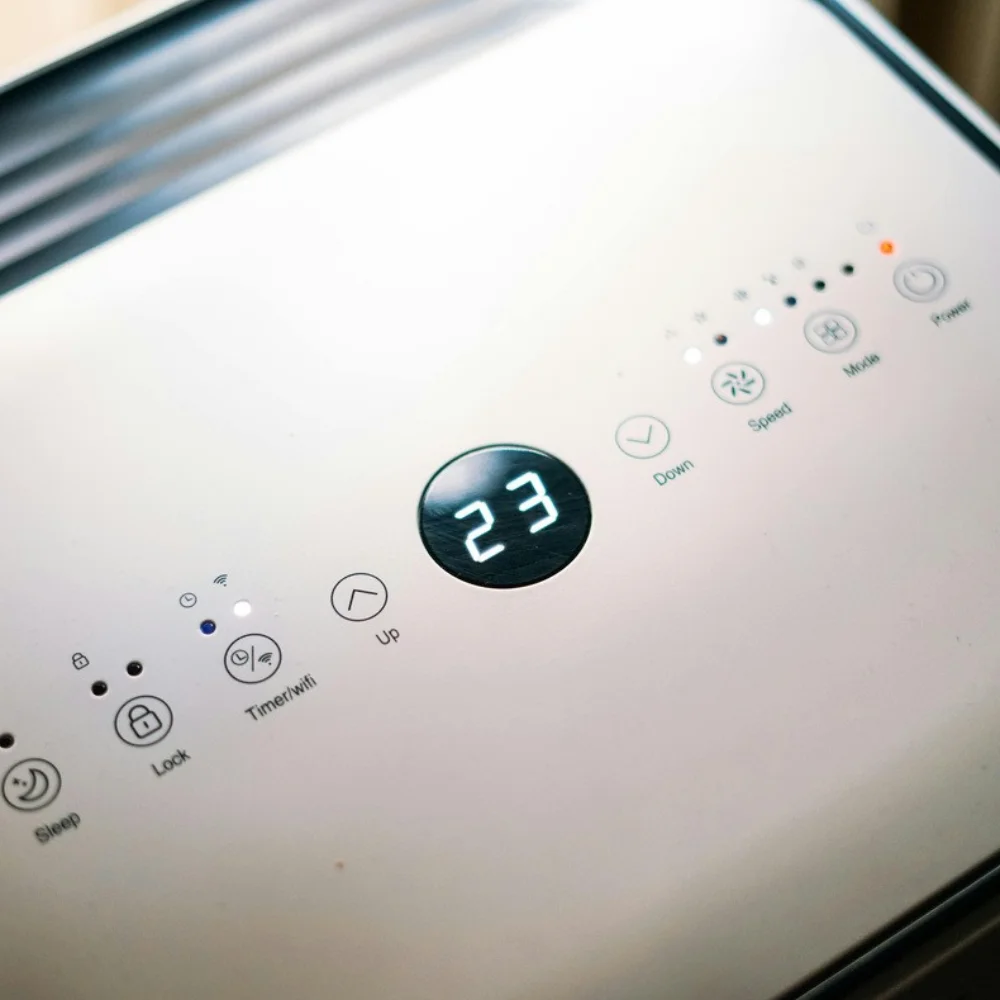
HVAC and climate-control systems

Building systems OEMs, HVAC equipment manufacturers

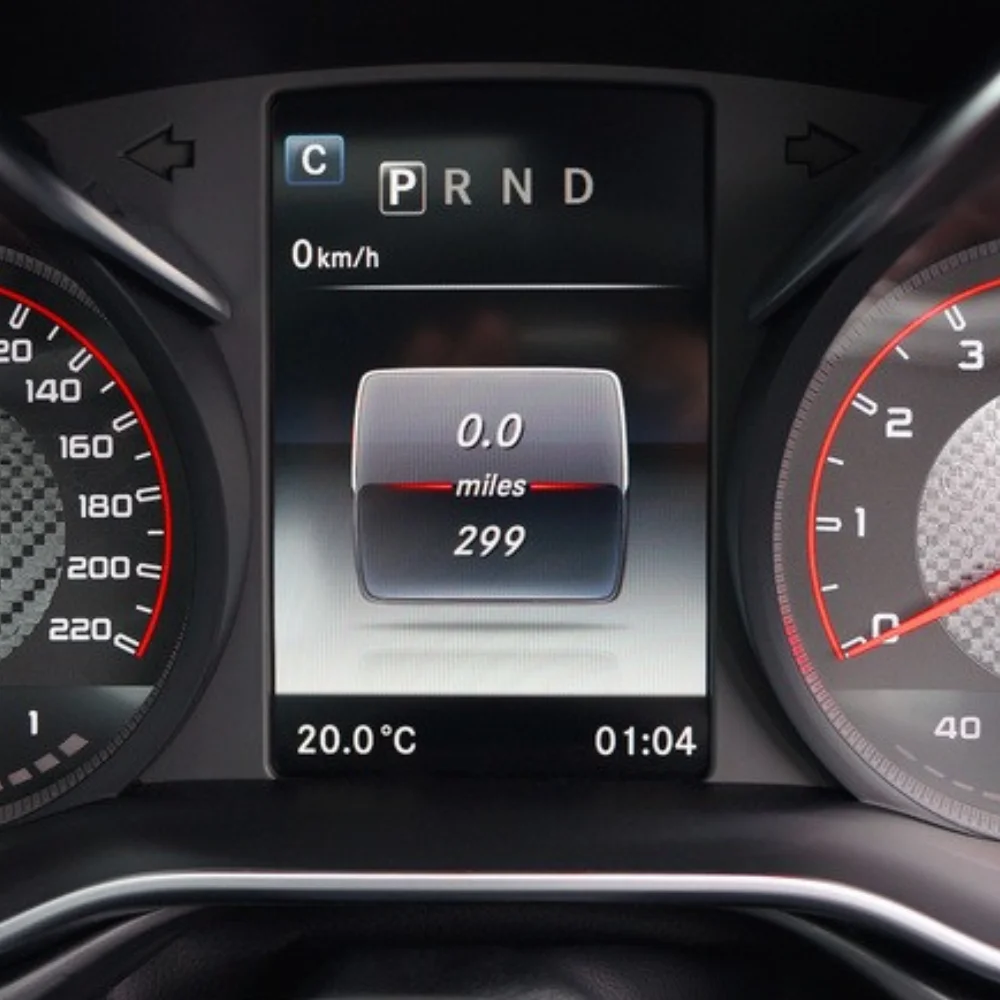
Automotive dashboards and clusters

Auto component suppliers, instrument panel assemblers

Consumer electronics interfaces

Electronics assembly, home appliance OEMs

It is important to be clear about the role of the PSP here. You are not making membrane switches for your own brand. You are a supplier — producing the printed graphic overlay panels that a membrane switch manufacturer uses to assemble the finished product. The end-clients in the table above are your customer’s customers.

India’s medical device sector is expanding. Domestic industrial automation is growing fast. Consumer electronics assembly is rising. The buyers are already there. The volumes are going up. The only question is which PSPs will step up to supply them.

3. The Production Gap: Screen Printing vs. UV LED Digital

Membrane switch graphic overlays have always been made by screen printers. Not because screen printing is the best method — but because it was the only method with proven results on PC and PET film substrates.

The demands are specific. The ink must stick to flexible film, survive embossing without cracking, stay bonded through lamination, and accept pressure-sensitive adhesive (PSA) on the back. Screen printers built this knowledge over decades. That knowledge became a wall that kept others out.

UV LED digital printing is changing that. A UV LED large format printer with the right ink formulation already meets all those requirements — often better than screen printing, especially for setup speed, colour accuracy, and short-run jobs.

Screen Printing vs. UV LED Digital for Membrane Switch Production

Capability Factor

Screen Printing

UV LED Digital (Flatbed)

Substrate compatibility

PC and PET films require slow-cure screen inks; setup is material-specific

Direct print on PC/PET films with flexible UV inks; no screen preparation

Setup and changeover

Screen preparation per colour; long changeover for short runs

File-to-print workflow; changeover in minutes; suited to short-run production

Ink flexibility on emboss

Conventional UV or solvent inks may crack at emboss points; flex depends on formulation

UV LED inks formulated for flex retain adhesion through embossing and lamination

Minimum viable run length

Economic at high volumes; short runs are cost-prohibitive per unit

Viable from single prototypes to medium-volume production runs

Colour accuracy and repeat

Colour drift across screens; registration challenges on fine legends

Digital colour consistency; exact repeat without recalibration

Screen printing still dominates Indian membrane switch manufacturing — but not because it is better. It is because no credible digital alternative has shown up in that supply chain yet. That is the gap a digitally-equipped PSP can walk into.

If you already run a UV LED large format printer for signage, the gap is smaller than it looks. Your substrate handling approach will change. You will need to learn the process discipline around flexible inks, second-surface printing, and PSA compatibility. The machine may not need to change — but your ink system needs to be validated for PC and PET film before you start production.

4. What It Actually Takes to Produce Membrane Switches

Moving into membrane switch production is not as simple as swapping substrates and printing a test. There are four things a PSP needs to get right to produce commercially viable output:

Substrate compatibility: PC and PET film

Standard signage substrates — rigid PVC, foam board, vinyl — behave predictably under UV curing. Polycarbonate and polyester films are different. PC and PET react to heat. They have surface properties that affect how ink adheres. They are also thinner and more flexible than most flatbed operators are used to. Pre-treatment and media handling settings need to be set correctly before you start production.

Ink flexibility through embossing and lamination

Embossing is a standard step in tactile membrane switch production. A dome or raised feature is pressed into the overlay after printing. If the ink has cured hard and rigid, it will crack at the emboss point. UV LED inks for membrane switch applications cure with a controlled degree of flex. This lets the printed layer move with the substrate under pressure. Not all UV inks have this property. You need to confirm it for the ink system you are using.

UV LED curing behaviour

UV LED curing has a clear advantage for membrane switch production: it cures instantly with very little heat transfer to the substrate. Solvent inks can bleed between layers. Conventional UV curing can warp thin PC and PET films with heat. UV LED curing avoids both problems. When producing graphic overlays in multiple passes — colour layer, white base, adhesion promoter — keeping each layer registered correctly depends on the substrate staying dimensionally stable. UV LED curing supports that.

PSA adhesive compatibility and post-cure window

The back face of a membrane switch overlay is usually finished with a pressure-sensitive adhesive (PSA) layer. This needs to bond to the cured ink without lifting. If you apply PSA too soon after curing — before the ink has finished off-gassing — the bond will fail. You need to know the post-cure window for your UV LED ink system and build it into your workflow. This is something screen-to-digital converts often miss on their first production runs.

PSPs evaluating this application should check substrate compatibility and ink flex specifications against what the overlay requires. The ArrowJet MTS-48 is one platform built specifically for membrane switch graphic overlay production on PC and PET film substrates.

The membrane switch opportunity is not something coming down the line. It is a supply gap that exists right now, in a market growing at 8.4% a year. PSPs with UV LED flatbed capability are better placed to fill it than they might think.

If you have UV LED flatbed capability and want to explore whether membrane switch printing is the right next vertical for your shop, speak to our technical team.

→  Learn more about the ArrowJet MTS-48  ·  Request a conversation with our technical team

5. Frequently Asked Questions

Membrane switch printing is the production of printed graphic overlay panels for membrane-based switching devices. The printed layer — typically on polycarbonate or polyester film — is the visible interface on medical equipment, industrial control panels, appliances, and similar products. Print quality affects both how the panel looks and how long it lasts.

India is a named market in the Asia-Pacific region, which leads global membrane switch production. According to The Business Research Company, the global market was worth about $8.69 billion in 2025 and is on track to reach $13 billion by 2030 at a compound annual growth rate of 8.4%. Indian PSPs with UV LED flatbed capability are well placed to supply domestic manufacturers across medical, industrial, and consumer electronics sectors.

Yes — if the printer supports flexible UV LED inks, the ink system is validated for polycarbonate and polyester film substrates, and the operator understands second-surface printing and PSA bonding. A UV LED large format printer with the right ink set can produce the graphic overlay layer of a membrane switch panel. The ArrowJet MTS-48 is one platform built specifically for this application.

The two main substrates are polycarbonate (PC) film and polyester (PET) film. PC film is used where you need high optical clarity and an embossable surface. PET offers better chemical resistance and holds its shape under temperature changes. Both need UV inks formulated for flexible-film adhesion — standard rigid-substrate UV inks will not work.

A tactile membrane switch has a snap-action metal dome or embossed feature under the graphic overlay. This gives the user a physical click when they press a key. A non-tactile membrane switch is flat, with no mechanical feedback. For a PSP, the important difference is this: tactile overlays need ink systems that can handle mechanical stress at emboss points without cracking or lifting.